Fukuoka Cat Island Family Day Trip: Ainoshima, Uminonakamichi, Miyajidake (2026 Guide)
By Georgi · Updated · 8 min read
Three places that look like they belong on three different itineraries (a cat island, a 540-hectare seaside park and a Shinto shrine with one of the most photogenic paths in Japan) all sit on the coast just north and east of Hakata. This guide covers how to reach each one by public transport, what each stop delivers, and how to plan the day as a family.
Why these three places go together
The common thread is family-friendly variety. Ainoshima gives younger kids the unscripted joy of meeting island cats. Uminonakamichi Seaside Park is the kind of enormous green space (flower gardens, a zoo, beach, bike paths) where a family can split up and each person finds their thing. Miyajidake adds a moment of genuine photography magic if the timing is right, or a peaceful shrine visit if it isn’t.
None of these are walkable from Hakata, and they sit in different directions, so the day needs some planning around the ferry timetable.
About each stop
Ainoshima / Nekoshima: the cat island
A quick note on the name: the island is written 相島, read Aishima and also romanized Ainoshima; it belongs to Shingu Town, just outside Fukuoka City. “Nekoshima” (猫島, cat island) is an informal nickname that has spread widely online. You’ll see all of these used, often interchangeably. On ferry schedules and official signs, it’s 相島.
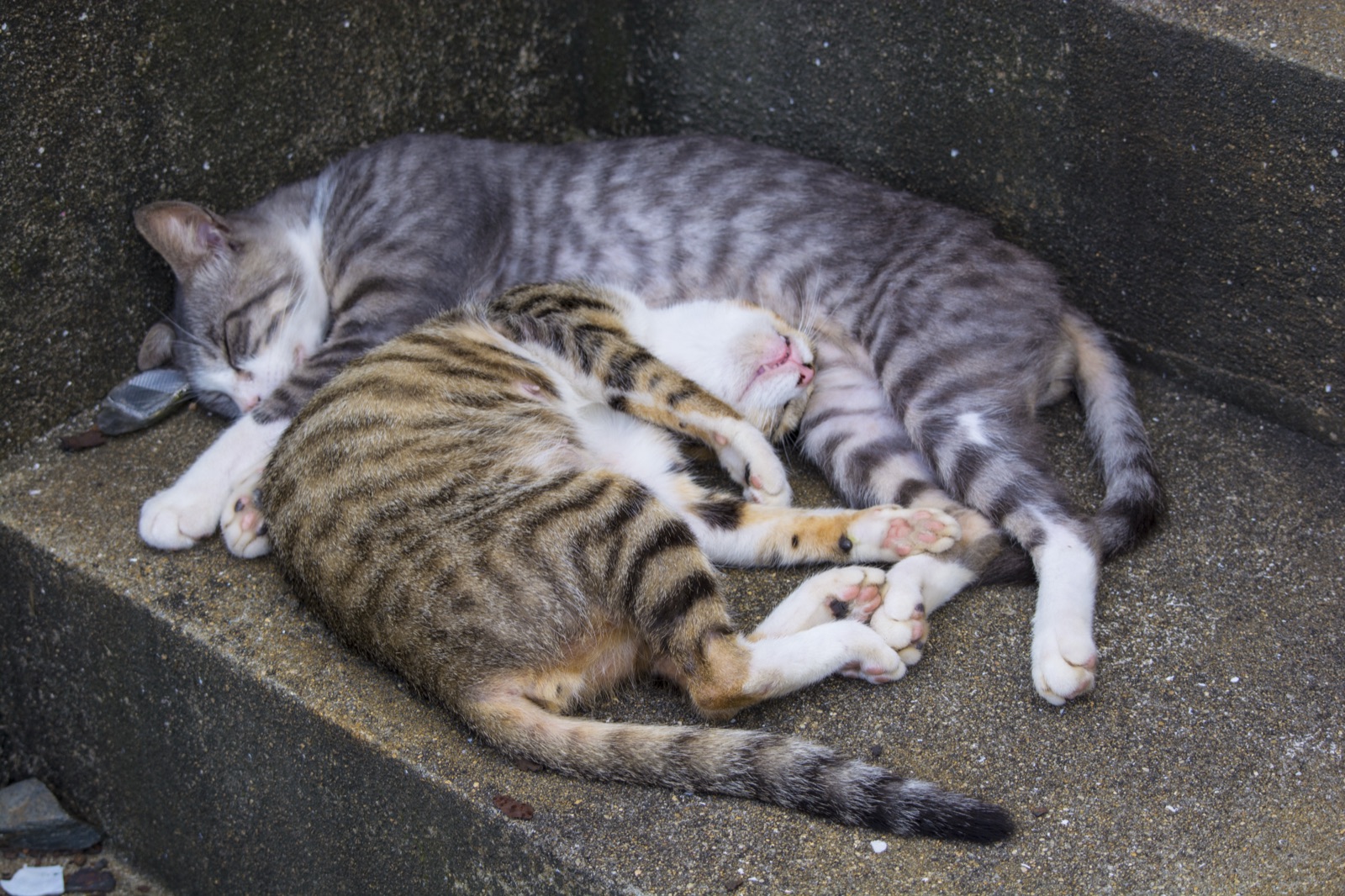
The cats here are not the result of deliberate placement. A fishing community has lived on Ainoshima for centuries, and the cats arrived as they do in fishing villages: practical mousers, gradually domesticated, eventually outnumbering the human residents. There are roughly 100 cats living alongside a population of under 800 people. They roam freely through the harbor, the narrow lanes, and the seawall.
A few practical points: the island has one small store and one restaurant (hours vary; don’t rely on the restaurant for lunch). This is a working fishing village, not a theme park: follow the island’s posted visitor rules, don’t feed the cats, and keep your voice down in the residential lanes. The cats are generally calm; you can photograph them at close range without much effort.
Uminonakamichi Seaside Park
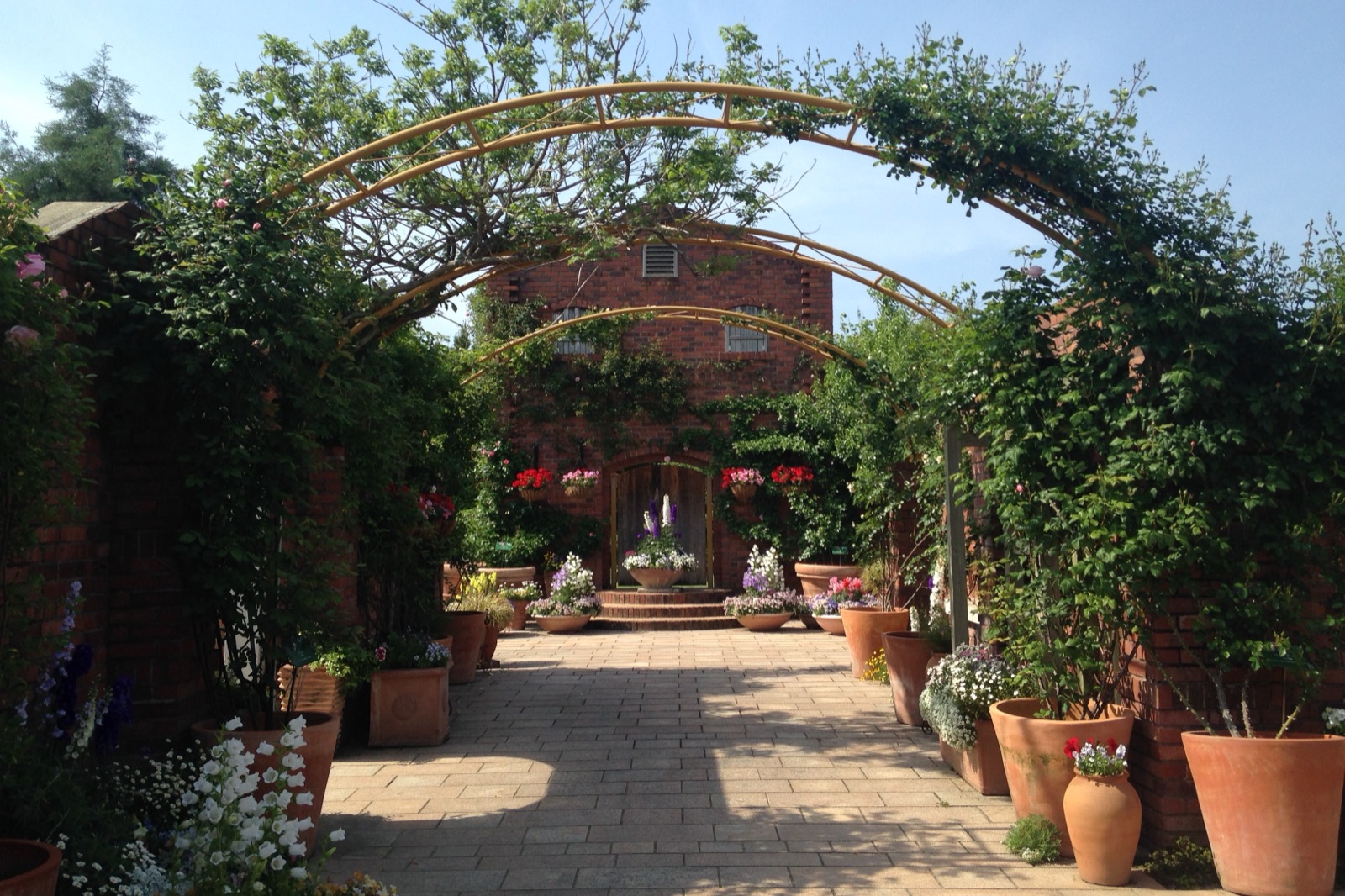
The park occupies the narrow peninsula north of Hakata Bay, with the sea on three sides. At 540 hectares it’s one of Japan’s largest public parks, and one visit genuinely cannot cover it. Pick one or two zones:
- Flower garden: planted in seasonal rotations. Spring: tulips and nemophila (blue). Summer: sunflowers and zinnias. Autumn: cosmos. Winter: pansies. If you’re visiting for specific flowers, check Fukuoka City’s official bloom calendar before you go.
- Zoo area (optional, seasonal): small resident animals including capybara, which have become a minor attraction in their own right.
- Beach: Saitozaki Beach on the eastern side, good for kids in summer.
- Bike rental: available inside the park.
Park entrance is ¥450/adult, ¥150 for children 15 and under. Stroller-friendly, mostly flat. The main park loop road has its own dedicated bus.
Miyajidake Shrine and the Path of Light
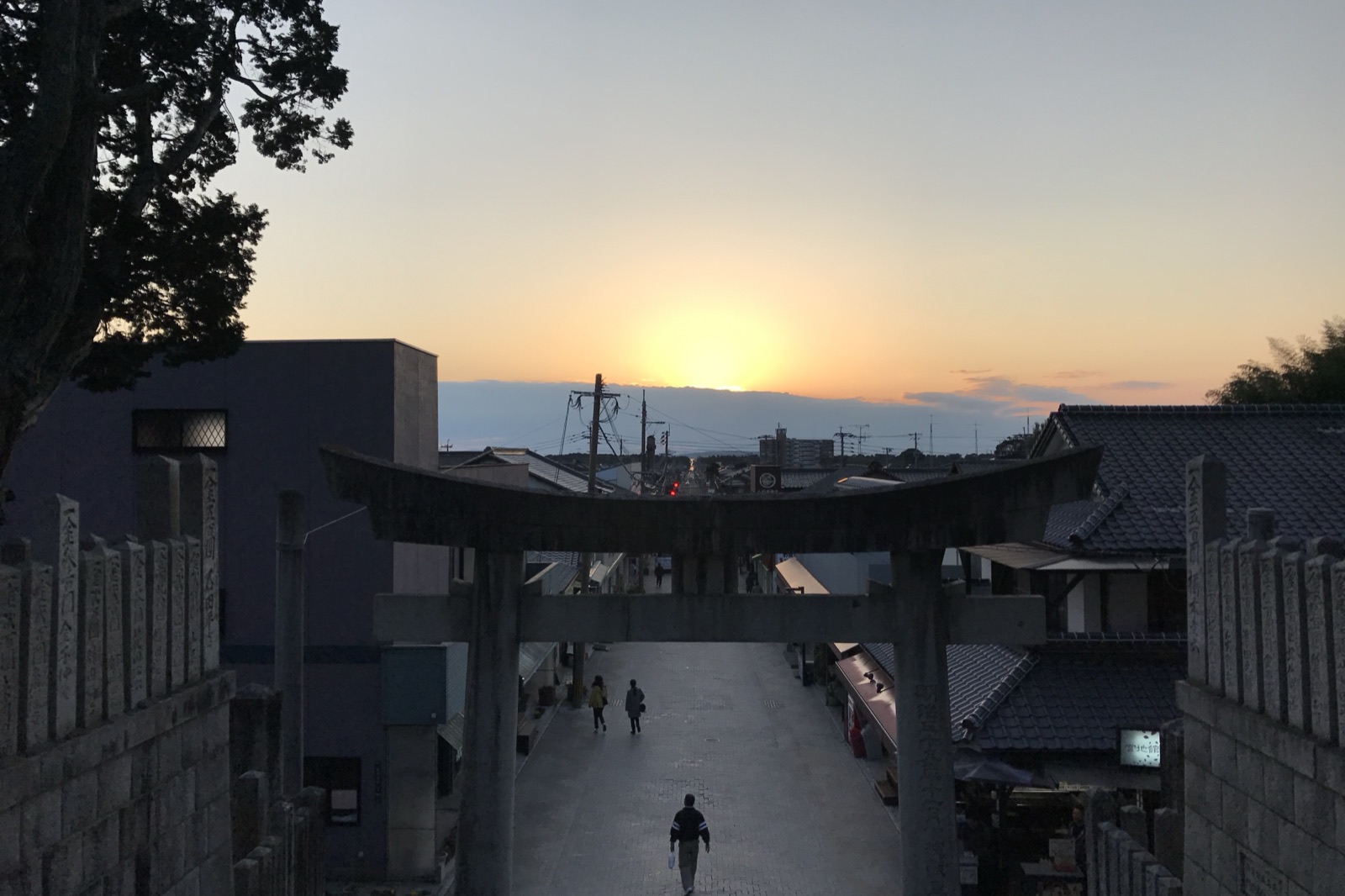
Miyajidake Shrine sits above the Munakata coast with its main stone approach running in a near-perfect straight line toward the Genkai Sea. The shrine is active and draws both local worshippers and visitors year-round.
The feature that’s made it internationally known is the Path of Light (光の道, Hikari-no-michi): twice a year, the setting sun descends directly along the axis of this path, turning the entire approach into a corridor of gold. This alignment happens in late February and late October each year; the shrine posts the exact dates on its site. During these windows, the steps fill with photographers from afternoon onwards.
Outside those windows (which is most of the year), the path is still beautiful, the shimenawa rope above the inner gate is genuinely enormous (diameter over one meter, weight reportedly 3 tonnes), and the coastal view from the shrine terrace is consistently good.
Getting there
Ainoshima: the Shingu town ferry
The ferry to Ainoshima leaves from Shingu Fishing Port (新宮漁港). It’s the town-run ferry “Shingu” (しんぐう), and the crossing takes about 17 minutes.
- Fares (one way): adult ¥480, elementary-school child ¥240; one preschool child per adult rides free.
- Departures: 5 to 6 per day depending on season. The last evening sailing from Shingu is at 18:10 from March 1 to October 31 and at 17:40 from November 1 to February 28.
- Crowds: on weekends and holidays the boat can fill up and you may not get on.
- Weather: whether a sailing is cancelled for rough seas is decided 30 minutes before departure.
Check Shingu Town’s ferry timetable before you go; the Fukuoka Prefecture tourism site also has an Ainoshima page.
Getting to the port: take the Shingu Town community bus, Route 1 from JR Fukkōdaimae Station (JR Kagoshima Main Line), about 10 minutes, or Route 2 from Nishitetsu Shingu Station, about 12 minutes. The fare is ¥100.
Uminonakamichi Seaside Park
JR Kashii Line from Hakata to Uminonakamichi Station, approximately 40 minutes, ¥460. The station is inside the park grounds. Simple.
Miyajidake Shrine
Nishitetsu bus from Tenjin (Fukuoka City) to Miyajidake-jinja-mae stop, approximately 50 minutes, ¥710. Bus frequency is roughly every 30 to 60 minutes; check the Nishitetsu timetable.
Planning the day
Hitting all three in one day by public transport needs tight connection planning, because Ainoshima, Uminonakamichi and Miyajidake each sit in a different direction from Hakata. Build the day around the ferry timetable first. If you have two days in Fukuoka, splitting the sites across days is the relaxed option.
Not sure which Fukuoka day trip fits your schedule? Browse all options at kitaq.travel’s tours hub.
Who this day trip suits
- Families with children aged 5 to 12: Ainoshima’s cats are the right kind of unstructured fun for this age range, Uminonakamichi’s zoo and gardens hold attention well, and a Miyajidake visit can be kept short.
- Couples seeking variety in one day: three very different places, so you’re never doing one thing long enough to tire of it.
- Cat enthusiasts and animal lovers: Ainoshima is one of the better-known cat islands in Japan and one of the easiest to reach from a major city.
- Photographers visiting in late February or late October: the Path of Light alignment is the photo event of the year for this part of Fukuoka.
Who should skip it
Adult-focused history or temple travelers: Miyajidake is the only site here with significant historical depth. If Japanese religious history is the point of the trip, a dedicated Miyajidake half-day or the Munakata UNESCO day tour will serve you better.
Anyone with cat or pet allergies: Ainoshima has cats everywhere, including in the ferry waiting area and around the port. There’s no avoiding contact. If allergies are a concern, skip the island.
Travelers wanting to linger: fitting three places into one day means the ferry timetable sets the pace. If you prefer slow, unhurried exploration, spread the sites over two days.
Path of Light alignment dates 2026
The astronomical alignment is a function of the shrine’s orientation and the sun’s declination, and the exact dates shift each year:
- Late February window: check miyajidake.or.jp for this season’s dates
- Late October window: the shrine lists it as late October (光の道・夕陽のまつり)
The shrine steps get crowded during both windows, so plan your arrival early if either matches your travel dates.
Outside these windows, the path is still photogenic in late afternoon light, just without the full sun-in-the-center alignment.
Photo notes
At Ainoshima: The cats on the seawall near the ferry landing are the most reliably photographable. They’re used to the crowd. For portraits of cats with the sea behind them, walk east along the harbor edge past the fishing boats. Morning light is flattering. A phone camera will do fine; don’t overthink equipment.
At Miyajidake: The correct vantage point for the full Path of Light shot is the upper platform of the main shrine steps, looking back down the stone path toward the sea. During the alignment windows the upper platform is crowded from 16:00 onwards. If you want a clear shot without heads in the frame, arrive by 15:30.
FAQ
What is Ainoshima (Nekoshima) cat island like? A small fishing island home to roughly 100 free-roaming cats. The cats are calm and approachable; the island itself takes 30 to 45 minutes to walk. Follow the island’s rules and don’t feed the cats.
Where does the Ainoshima ferry leave from? Shingu Fishing Port (新宮漁港) in Shingu Town. The town ferry takes about 17 minutes; one way is ¥480 for adults and ¥240 for elementary-school children, with 5 to 6 departures a day depending on season. Reach the port by Shingu Town community bus from JR Fukkōdaimae Station or Nishitetsu Shingu Station (¥100).
When is the best time to visit Miyajidake Shrine for the Path of Light? In late February and late October each year; check the shrine’s site for the exact dates. Outside those windows, the shrine is still scenic; the Path of Light alignment is not visible.
Who is this day trip best suited for? Families with children aged 5 to 12, couples wanting variety in one day, and photographers visiting in February or October for the Path of Light.
Can I do all three in one day by public transport? Yes, with planning: Shingu town ferry to Ainoshima, JR to Uminonakamichi (¥460), Nishitetsu bus to Miyajidake (¥710). Build the day around the ferry timetable, or split it over two days.
More cat islands, cat shrines and cat cafes around Kyushu are collected in Cats of Kyushu.
Make sure your phone has data for timetables and maps. kitaq.travel’s Japan eSIM guide covers the options before you arrive.
Photo credits
- Photo: ShinguTown, CC BY-SA 4.0
- Photo: そらみみ, CC BY-SA 4.0 (modified)
- Photo: そらみみ, CC BY-SA 4.0 (modified)


